Nikko Area | Luxury Private Chauffeur Service【017】
| Overview |
| Nikko is one of Japan’s most important cultural and natural destinations, located north of Tokyo in Tochigi Prefecture. Since ancient times, the area has been deeply associated with mountain worship and spiritual practices centered around its sacred natural environment. During the early Edo period (1603–1868), Nikko became a major center of Shinto and Buddhist architecture under the patronage of the Tokugawa shogunate. The construction of Nikko Toshogu Shrine in the 17th century transformed the region into one of Japan’s most significant spiritual and cultural heritage sites. Today, Nikko is internationally known for its UNESCO World Heritage shrines, dramatic waterfalls, mountain lakes, and pristine natural landscapes. It offers a unique combination of cultural depth and untouched nature, making it one of Japan’s most refined travel destinations. Each area of Nikko has its own distinct character, blending history, spirituality, and natural beauty into a seamless travel experience. This page introduces Nikko through its most iconic landmarks and key sightseeing attractions. |
| ICONIC NIKKO |
| Nikko is home to some of Japan’s most iconic cultural landmarks and natural wonders. These locations represent the symbolic identity of the region, combining UNESCO World Heritage architecture, sacred history, and dramatic nature. Best for those who want to experience the essential highlights of Nikko. |
1) Nikko Toshogu Shrine
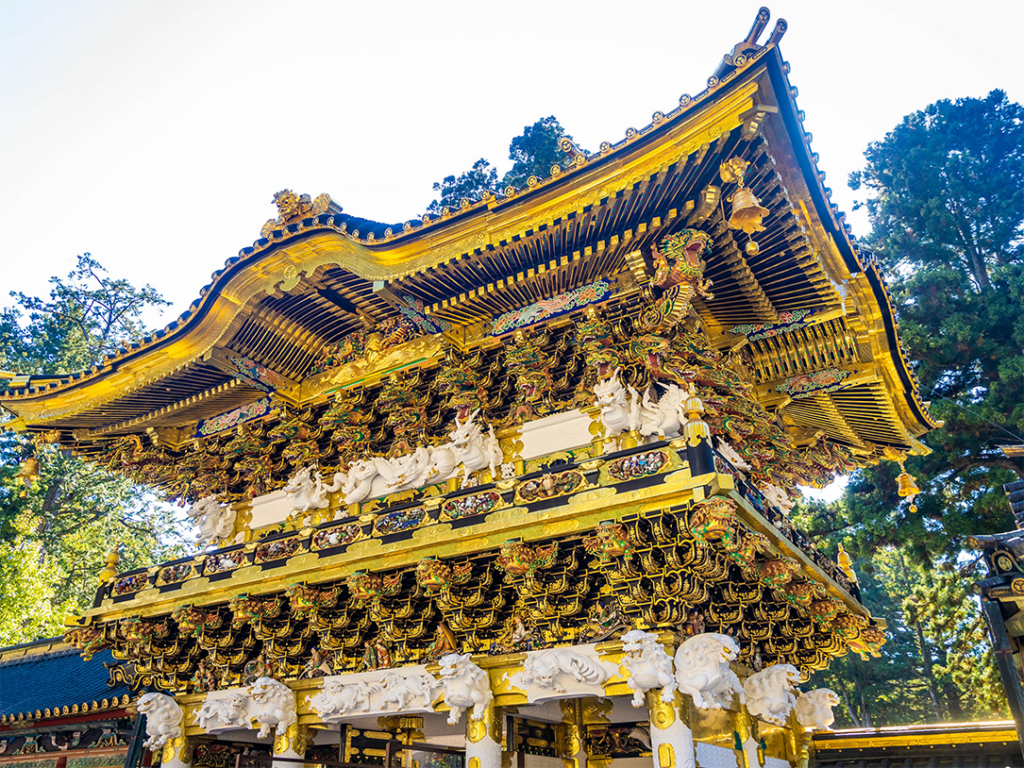
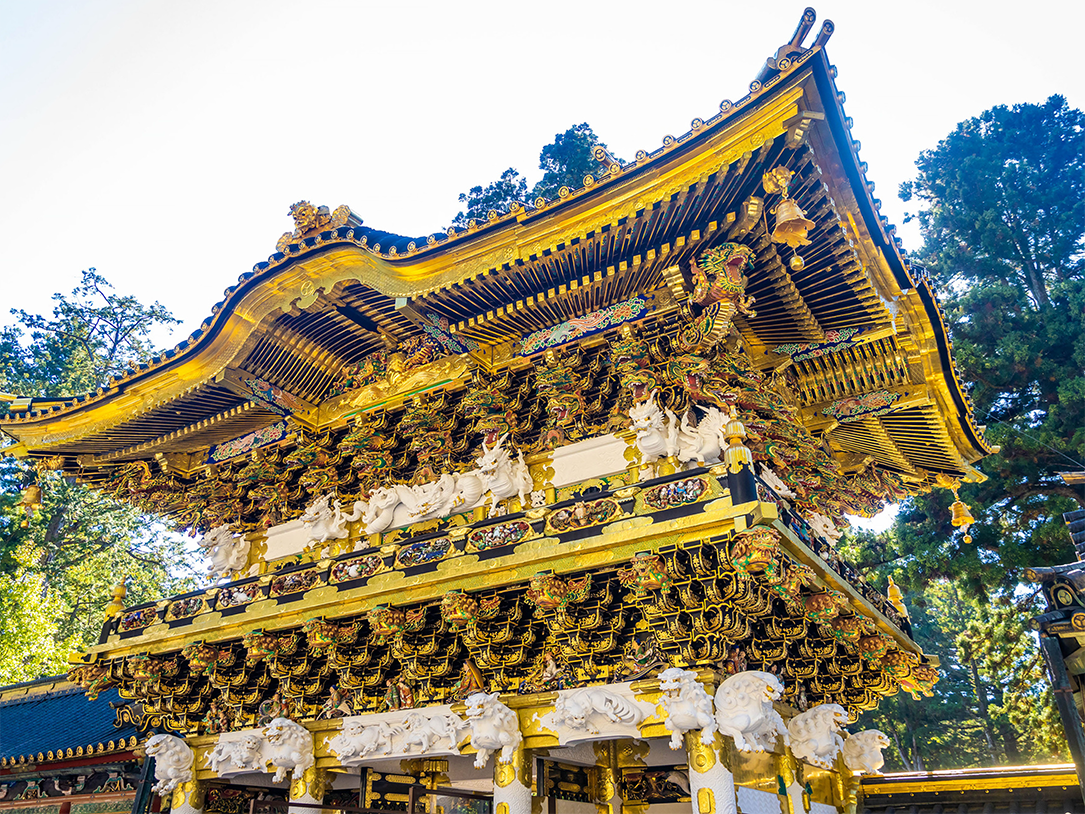
Nikko Toshogu Shrine is the most famous shrine in Nikko and the mausoleum of Tokugawa Ieyasu, completed in the early Edo period.
It is renowned for its highly detailed architecture, colorful decorations, and intricate wood carvings.
It represents the peak of Edo-period religious architecture in Japan.
2) Five-storied Pagoda
The Five-storied Pagoda stands at the entrance of the Nikko Toshogu complex and symbolizes the power and legacy of the Tokugawa shogunate.
Originally constructed in 1650 during the early Edo period, it has been rebuilt and preserved as part of the World Heritage site.
It is one of the most photographed structures in Nikko.
3) Kegon Falls
Kegon Falls is one of Japan’s most famous waterfalls, dropping approximately 97 meters from Lake Chuzenji.
Formed by ancient volcanic activity, it is part of the Nikko National Park landscape.
The waterfall offers dramatic seasonal scenery, from lush greenery to frozen winter views.
4) Lake Chuzen-ji
Lake Chuzen-ji is a scenic mountain lake formed by volcanic activity approximately 20,000 years ago.
Located at the foot of Mount Nantai, it has long been a retreat for travelers and spiritual visitors since the Edo period.
It offers peaceful lakeside scenery and seasonal natural beauty.
.png)
.png)
.png)
.png)
| OTHER ATTRACTIONS |
| In addition to its iconic landmarks, Nikko is home to many other cultural and natural attractions. Below are four recommended spots that highlight the diverse charm of the region. verse charm of the region. |
1) Futarasan Shrine
Futarasan Shrine was founded in 782 by the monk Shodo Shonin during the Nara period (710–794).
It is dedicated to the sacred mountains of Nikko and plays an important role in the region’s mountain worship tradition.
It is closely connected to Nikko Toshogu Shrine and the surrounding World Heritage area.
2) Shinkyo Bridge
Shinkyo Bridge is one of the most iconic landmarks in Nikko and serves as the sacred entrance to the shrine area.
It was originally established in the early Edo period and is considered one of Japan’s most beautiful bridges.
Its vivid red color contrasts dramatically with the surrounding forest and river scenery.
3) Ryuokyo
Ryuokyo is a dramatic river canyon formed by volcanic and erosional activity over thousands of years.
It features rugged rock formations and clear mountain streams, offering a quieter nature experience compared to central Nikko.
It is especially popular for hiking and seasonal foliage views.
4) Kinugawa
Kinugawa is a scenic river valley area in Nikko known for its dramatic gorge landscapes and clear mountain streams.
While the area also includes hot spring resorts, it is widely appreciated for its natural scenery and seasonal beauty.
It is a popular destination for walking, photography, and nature exploration.
.png)
.png)
.png)
.png)
| Sample Itinerary |
| We recommend a 10-hour chauffeur service for exploring Nikko comfortably. Please find below a recommended sample itinerary. |
Time Schedule
| 2:30 | Departure & Travel Time from Hotel |
| 2:30 | Visit Nikko Toshogu Shrine & Five-storied Pagoda (transfer to next destination: 40 mins) |
| 0:40 | Visit Kegon Falls (transfer to next destination: 10 mins) |
| 1:00 | Visit Lake Chuzen-ji |
| 2:30 | Return & Travel Time to Hotel |
| Conditions |
| 🏴 Vehicle Options: Lexus LM (up to 2 passengers) / Alphard Class (up to 5 passengers) / Hiace (up to 9 passengers) 🏴 Cancellation (including changes) policy: From 48 hours prior – 50%; From 24 hours prior – 100% |
| Features |
| This private chauffeur experience is designed to comfortably explore Nikko’s UNESCO World Heritage sites, sacred landscapes, and dramatic natural scenery. Unlike public transportation or standard taxi services, it offers a seamless and time-efficient way to travel between destinations while maximizing sightseeing time. With a professional driver handling navigation and traffic, guests can enjoy a stress-free journey without managing train transfers, routes, or schedules. The service provides convenient door-to-door transportation with complete comfort and privacy throughout the day. The itinerary can be fully customized based on guest preferences, including schedule adjustments, additional stops, and flexible route optimization depending on traffic conditions. From ornate shrines and historical bridges to waterfalls, lakes, and hot spring valleys, this experience offers a curated and personalized way to discover Nikko at your own pace with comfort, flexibility, and efficiency. |