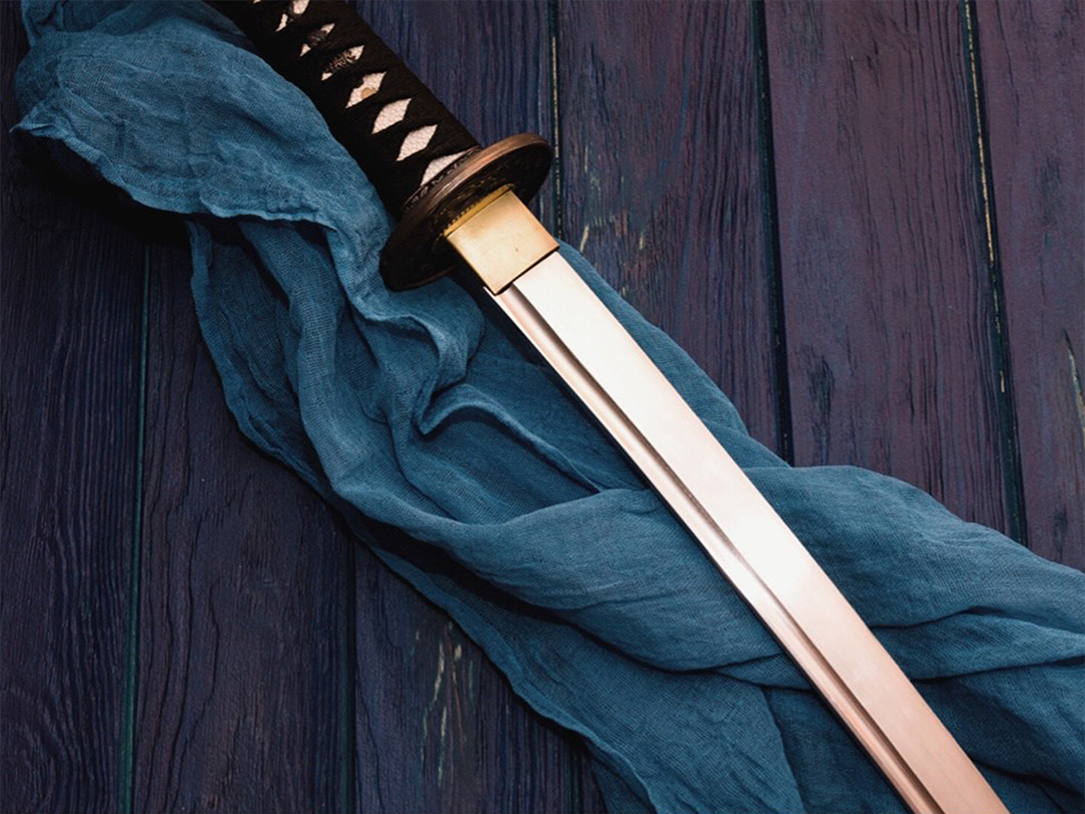
Exclusive Visit to a Traditional Japanese Swordsmith’s Workshop 【001】
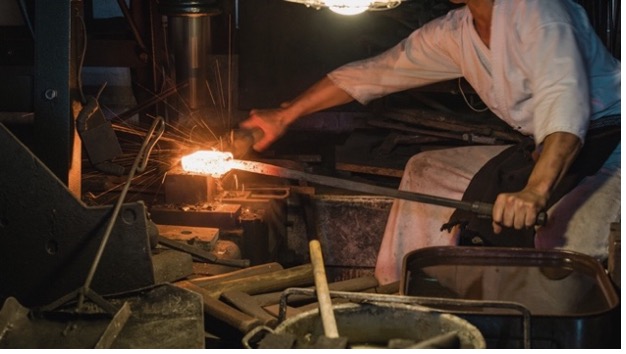
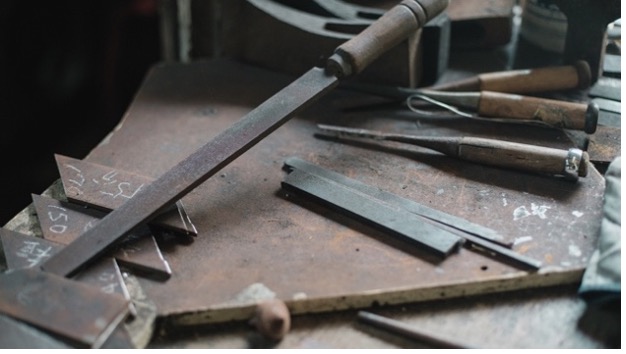
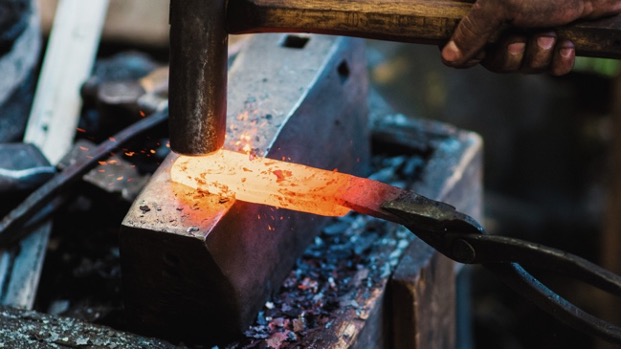

| Experience | Packaged Services |
| 🏴 Lecture for overviews by the Master 🏴 Observing fold-forging process 🏴 Hands-on experience of forging tamahagane steel | 🏴 Private car transportation ; Approx. 2 hours from the central Tokyo for one way 🏴 Private English-speaking guide |
| Optional Tours |
| 🏴 Visit a historic Japanese folk house, sake brewery and lunch of buckwheat noodle |
| Conditions |
| Duration : 2 hours (additional 3 hours for optional tours) Capacity : Up to 6 persons Eligibility : Application required at least two weeks prior, subject to availability. Notes : Recommended to wear cloths suitable for dusty work, and open-toed shoes or loose-fitting garments not permitted. |
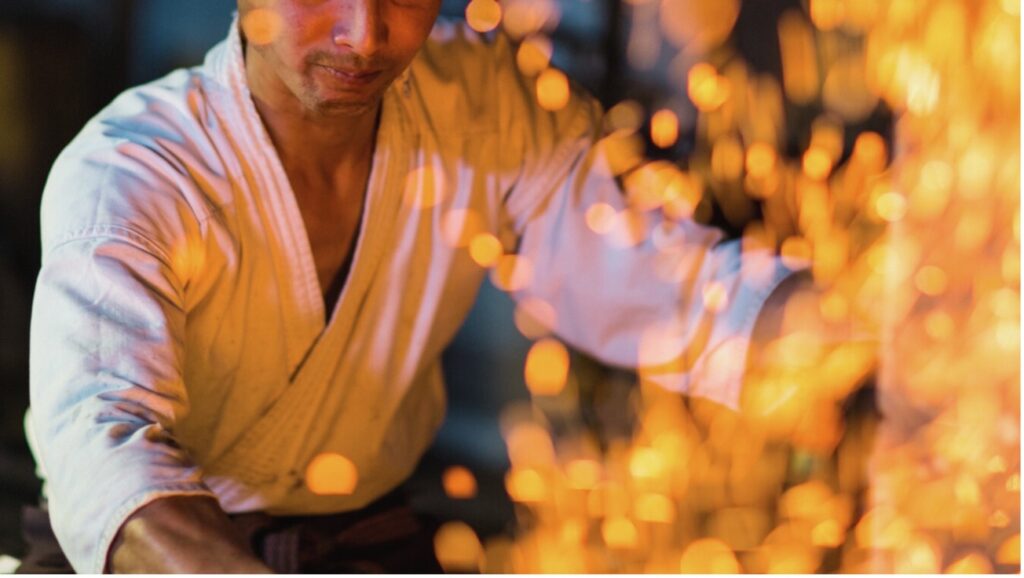
History
Japanese swords have been produced since the 3rd century and were traditionally used for both ceremonial and combat purposes. By around the 8th century, they had developed their distinctive single-edged, curved form, which has continued to evolve over time.
Japanese swords are made from tamahagane, a unique steel produced through traditional tatara ironmaking that contains very few impurities. By repeatedly folding and forging this steel, swordsmiths create blades that are uniform, strong, and highly durable. During the quenching process, each swordsmith applies their own specialized techniques, resulting in the appearance of a beautiful hamon (temper line) after polishing—a defining feature of Japanese swords.
Today, Japanese swords are highly regarded worldwide as works of art. By appreciating the distinctive curvature and unique hamon patterns created by different schools and swordsmiths, guests can experience the spirit and values that symbolize Japan’s traditional culture.

Features
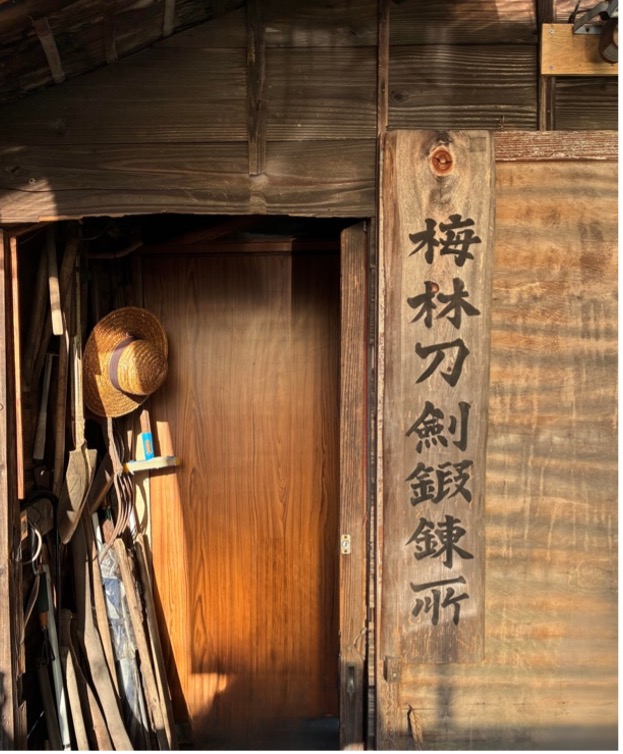
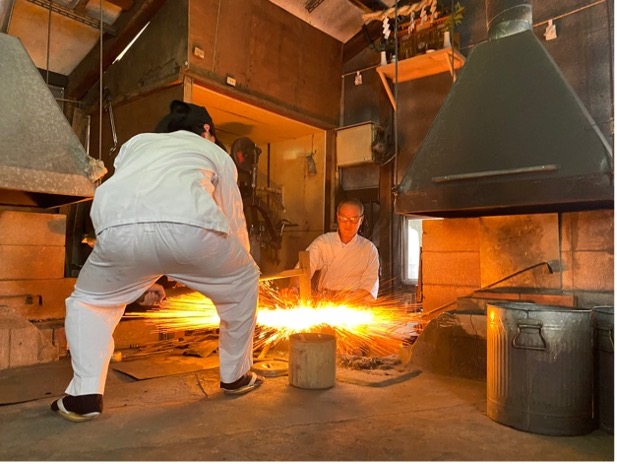
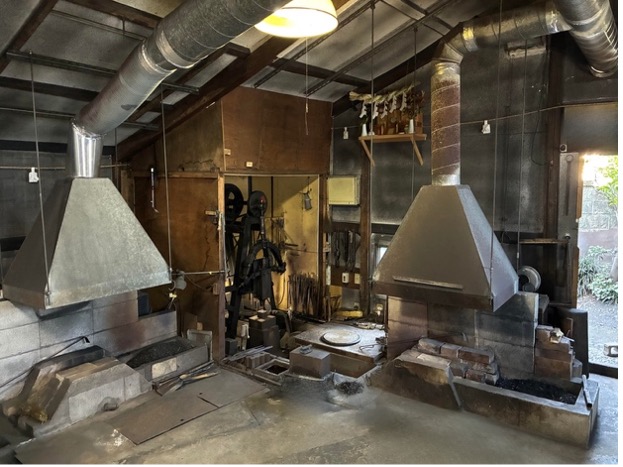
Umebayashi Swordsmith Workshop is located in Kaisei Town, Kanagawa Prefecture, and serves as the workshop of modern swordsmith Shigenori Ozawa, who has over 20 years of experience. Japanese swords are certified only when crafted by artisans who have completed extensive training and received official authorization from the Agency for Cultural Affairs, ensuring the preservation of their techniques and value.
Shigenori Ozawa has received numerous awards through his continuous dedication to training and is a passionate craftsman who pursues his own unique forging method known as Hadaka-yaki, which produces striking and beautiful hamon patterns.
Time Schedule
Regular Tour
Start Time:1) From 10:00 am 2) From 13:30 pm
Time Table:
| 1:00 | Lecture for overviews of the process and history / Observing swords |
| 1:00 | Observing ; Heating tamahagane steel -> Hammering into flat sheet -> Fold-forging Hands-on experience; For some parts of the processes by the guest |
Optional Tours
Time Table:
| 0:30 | Visit a historic Japanese folk house, Seto-Yashiki |
| 1:00 | Visit Nakazawa Sake Brewery renowned for Matsumidori brand with tasting some sake |
| 1:30 | Lunch at Sakama to eat handmade buckwheat noodle with sake |
MAP
Detailed Provisions
[Operating Conditions]
| ・Minimum number of participants: 1 person |
| ・Maximum number of participants: 6 persons |
| ・Age requirement: No age restriction |
| ・Language support: Necessary for a licensed interpreter-guide |
| ・Operating period: Not recommended during summer season due to severe hot circumstances. |
[Participation Requirements | Important Notes]
| ・Dress code: Participants must wear long sleeves and long pants that can get dirty (short sleeves and sandals are not permitted). Sneakers are allowed. Flammable materials such as fleece and nail polish are not permitted. Participants who do not meet these requirements may be denied participation. |
| ・What to bring: None |
| ・Safety precautions: As fire and high-temperature equipment will be used, participants must follow staff instructions at all times. |
| ・Booking deadline: 14 days prior to the tour date |
| ・Cancellation (including changes) policy: From 21 days prior – 20%; From 14 days prior – 50%; From 3 days prior – 100% |
| ・Severe weather policy: Tour will generally proceed (indoor event) |
| ・Disclaimer: The program content may be changed or canceled due to safety management or operational reasons. The organizer is not responsible for injuries or accidents caused by the participant’s own negligence. |
| ・Photography / Video recording: Restrictions apply |
| ・Liability waiver form: Required |
[Booking Process]
| 1) Inquiry from the customer. |
| 2) Proposal and quotation provided within two business days. |
| 3) Reservation arrangements commence upon guest’s application. (The cancellation policy becomes effective at this stage.) |
| 4) Booking confirmation notice. (If the reservation cannot be secured, the cancellation policy will not apply.) |
| 5) Payment is required within 48 hours after booking confirmation notice. |